Heritage Places
Town by town, what actually remains of Jewish and crypto-Jewish life across Portugal and Spain — and how each place is visited on a private journey.
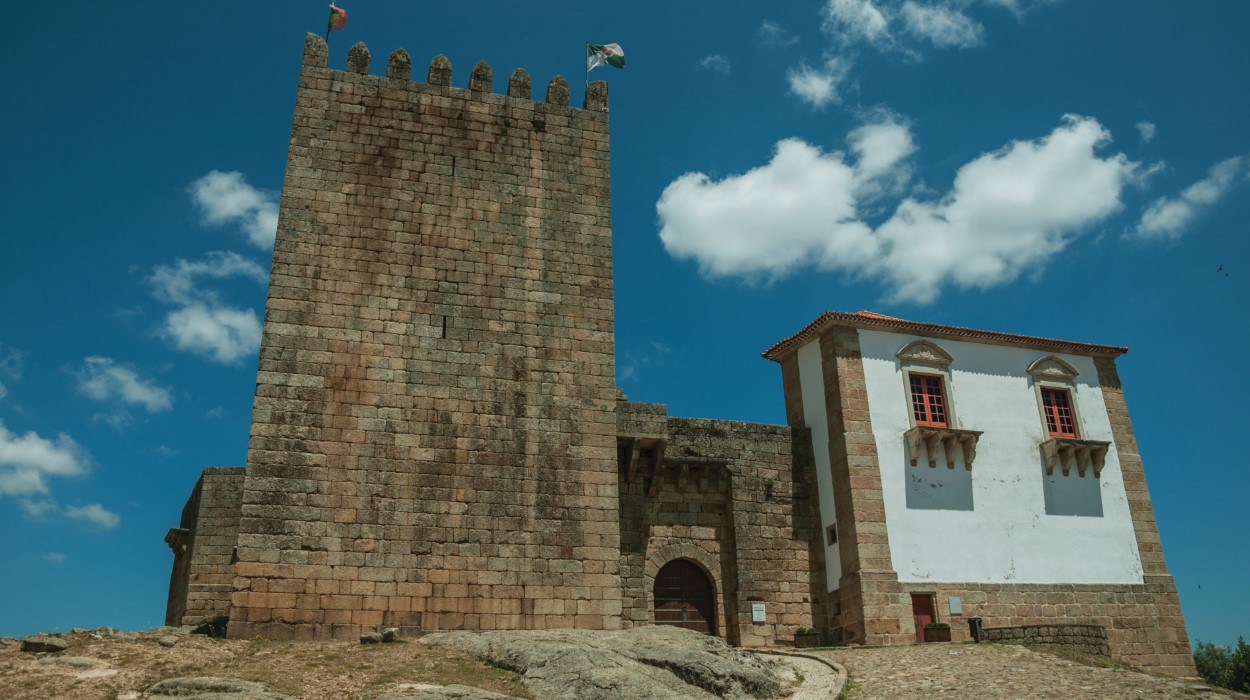
Jewish Heritage in Belmonte: The Community That Survived in Secret
Visit Belmonte, the Serra da Estrela town where a crypto-Jewish community preserved its faith in secret for over four centuries after 1497.
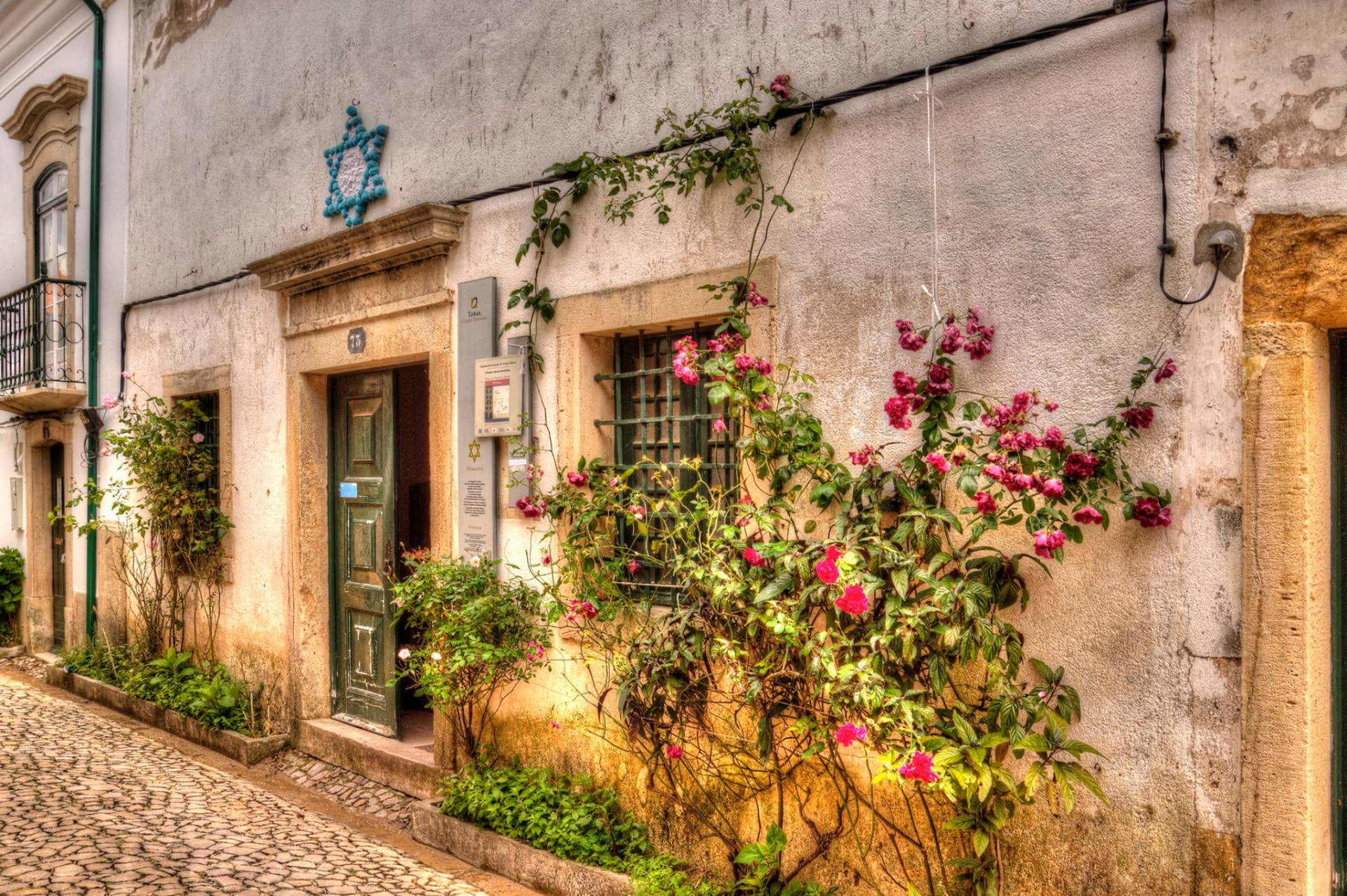
Tomar and Its Medieval Synagogue: A Sephardic Landmark in the Templar Town
Explore the 15th-century Tomar synagogue, one of Portugal's best-preserved medieval Jewish buildings, now home to the Abraão Zacuto museum.
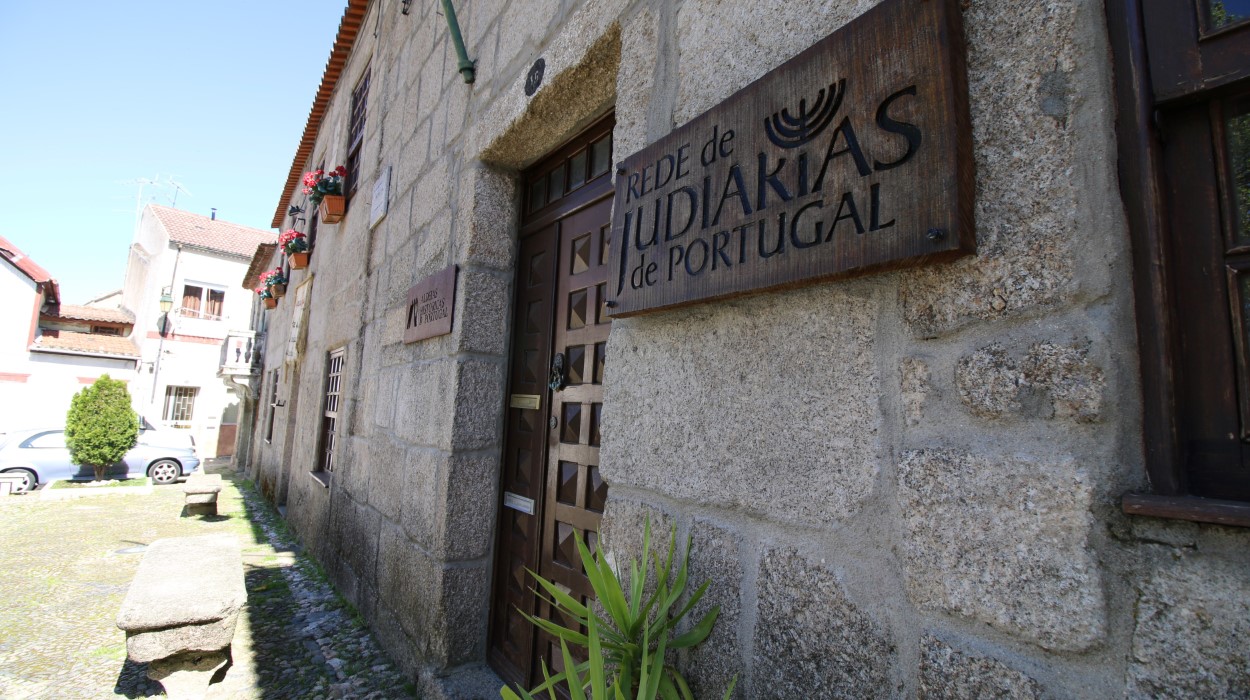
Trancoso: A Walled Frontier Town and Its Sephardic Doorways
See Trancoso's walled Judiaria, marked doorways and inscribed lintels, remnants of a substantial medieval Jewish community in the Beira region.
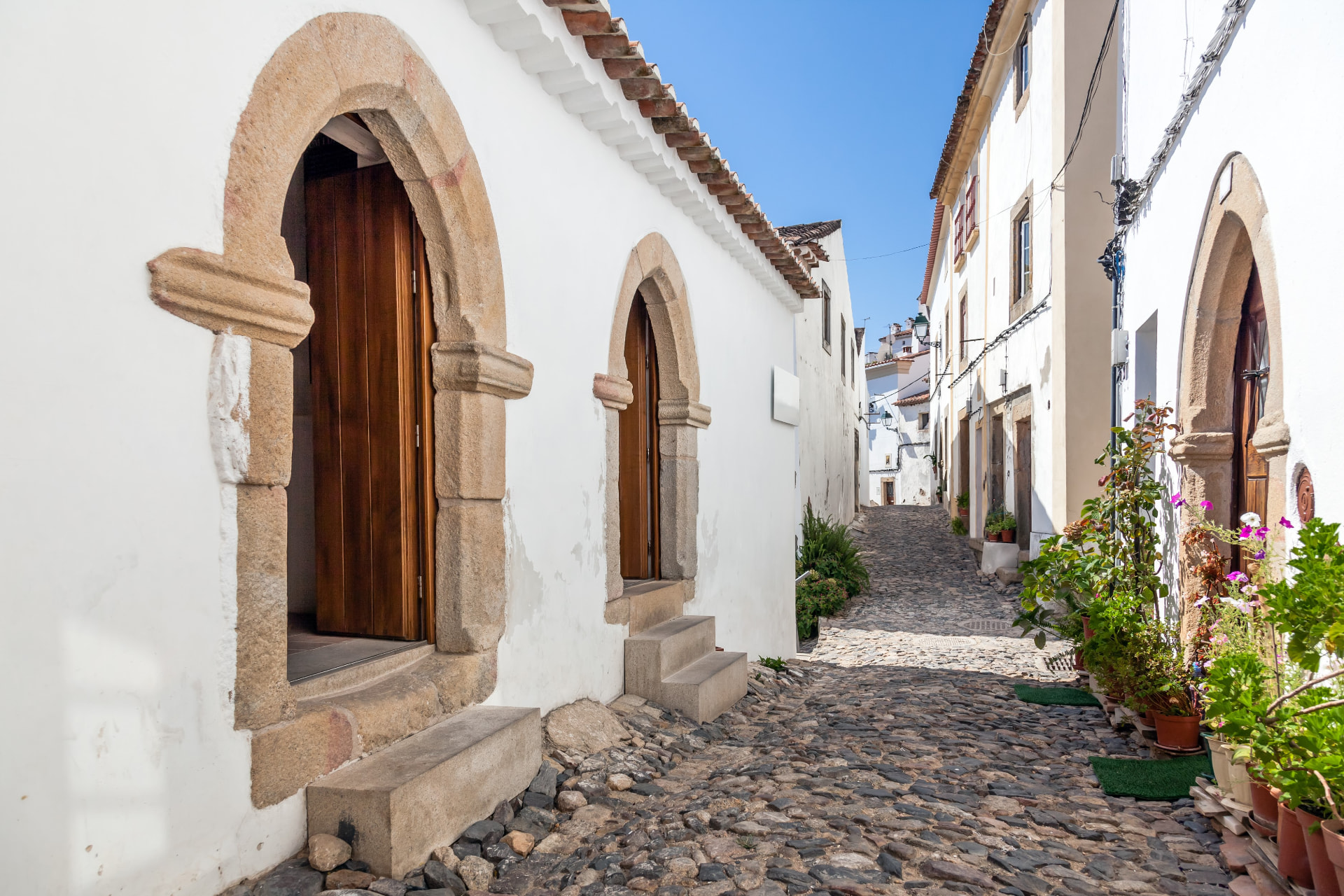
Castelo de Vide: The Best-Preserved Judiaria on the Spanish Frontier
Walk Castelo de Vide's whitewashed Judiaria and visit its 13th-century synagogue, among the oldest and most complete Jewish quarters in Portugal.
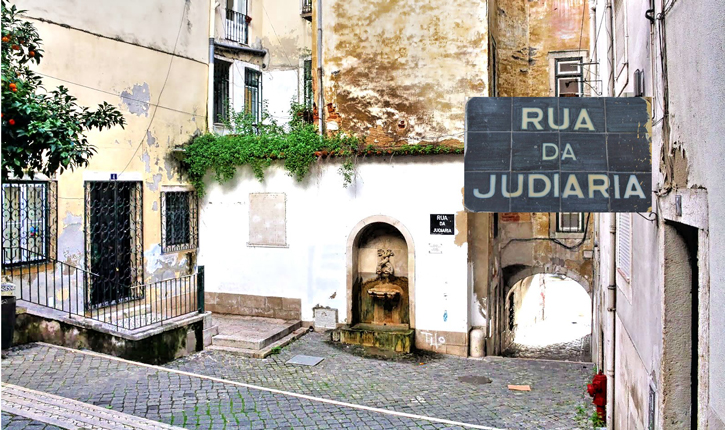
Guarda's Cathedral City and Its Vanished Jewish Quarter
Discover Guarda, Portugal's highest city, where a once-substantial Jewish community left its mark on street names and the cathedral's construction.
Castelo Branco: A Beira Interior Town on the Converso Trail
Learn how Castelo Branco's converso families and Inquisition-era history connect it to the wider network of Jewish heritage towns in the Beira interior.
Covilhã: Wool Town of the Serra da Estrela and Its Jewish Merchants
Explore Covilhã, historic centre of Portugal's wool trade, where Jewish merchants and artisans played a documented role before the 1497 conversions.
Penamacor: A Fortified Border Village and Its Converso Past
Visit Penamacor, a fortified Beira Baixa village near the Spanish border with a documented history of converso families and Inquisition scrutiny.
Sabugal: A Frontier Castle Town Along the Converso Route
Discover Sabugal, a five-sided castle town on Portugal's eastern frontier, and its place in the documented history of Beira converso communities.
Monsanto: The Historic Village of Portugal Built Among the Boulders
Visit Monsanto, voted the most Portuguese village in Portugal, and learn how its granite-boulder houses sheltered converso families after 1497.
Idanha-a-Nova: Roman Ruins and a Documented Converso Community
Explore Idanha-a-Nova and Idanha-a-Velha, where Roman and early Christian ruins sit alongside a well-documented history of Beira converso families.
Marvão: A Mountaintop Fortress Above the Converso Frontier
Visit Marvão, a fortress village perched on a dramatic Alentejo ridge, and learn its place in the converso history of the Castelo de Vide frontier.
Portalegre: Tapestries, Tanneries and a Documented Jewish Quarter
Explore Portalegre's historic Judiaria and its documented medieval Jewish community, set within a town later known for silk and tapestry manufacture.
Évora: A UNESCO City and Its Erased but Documented Judiaria
Discover the documented history of Évora's medieval Jewish quarter, one of Portugal's largest before 1497, within this UNESCO World Heritage city.
Elvas: A Fortified Border City and Its Jewish Merchant Community
Explore Elvas, Portugal's largest fortified frontier town, and the history of its documented Jewish community engaged in cross-border trade.
Beja: The Southern Alentejo's Documented Medieval Jewish Community
Learn about Beja's medieval Jewish community, documented in municipal and royal records, within this Roman and Moorish city of the southern Alentejo.
Faro's Ibn Danan Cemetery: The Algarve's Most Significant Jewish Site
Visit Faro's 19th-century Jewish cemetery and Isaac Bitton Synagogue, remnants of the Algarve's later Jewish trading community.
Lagos and the Atlantic Chapter of Portuguese Jewish History
Discover Lagos's place in Portugal's Age of Discoveries and its documented history of Jewish cartographers and converso maritime families.
Tavira: An Eastern Algarve Town with Converso Merchant Roots
Explore Tavira, an Eastern Algarve trading town whose documented converso merchant families connect it to Faro's broader regional Jewish history.
Alfama and Lisbon's Earliest Jewish Quarters Before 1497
Trace the documented history of Lisbon's medieval Judiarias, including the Alfama district, before the forced conversions of 1497.
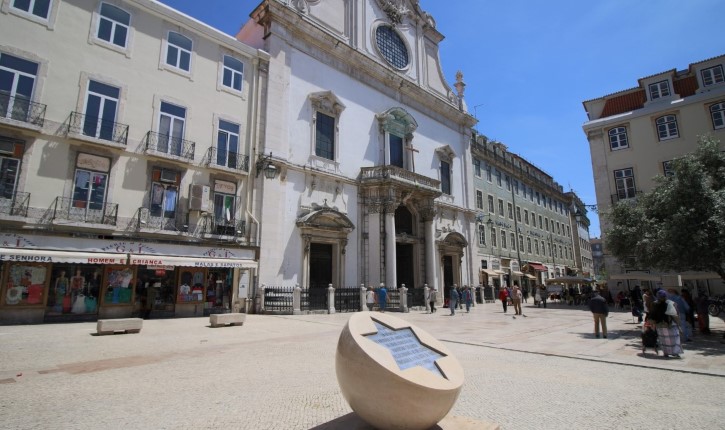
The 1506 Lisbon Massacre: A Site of Memory in the Lower City
Visit the site of the April 1506 Lisbon massacre of New Christians and its modern commemorative plaque, one of the gravest events in Portuguese Jewish history.
Sintra: Royal Retreat and a Documented Medieval Jewish Presence
Learn about Sintra's documented medieval Jewish community, set within this UNESCO World Heritage royal town near Lisbon.
Cascais: A Coastal Extension to Lisbon's Jewish Historical Geography
Understand Cascais's connection to Lisbon's converso merchant families within this coastal resort town near the Portuguese capital.
Óbidos: A Walled Royal Town Within Lisbon's Wider Converso Geography
Discover Óbidos, a walled medieval town historically part of the Portuguese queens' dower lands, within the wider context of converso settlement.
Santarém: An Inquisition Tribunal Town on the Tagus
Learn about Santarém's substantial medieval Jewish community and its role as an early seat of Inquisition activity on the Tagus river.
Torres Vedras: A Documented Jewish Presence North of Lisbon
Understand Torres Vedras's documented medieval Jewish community, a lesser-known chapter within this Estremadura town north of Lisbon.
Leiria: A Royal Castle Town and Its Medieval Jewish Quarter
Explore Leiria's documented medieval Judiaria, set beneath the royal castle where King Dinis once held court, on the route to central Portugal.
Coimbra: The University City and a Seat of Inquisition Tribunal Power
Discover Coimbra's substantial medieval Jewish community and its later role as the seat of one of Portugal's principal Inquisition tribunals.
Viseu: A Beira Alta Cathedral City with a Documented Jewish Community
Learn about Viseu's medieval Jewish community and its documented converso families within this Beira Alta cathedral city.
Lamego: A Douro Valley Town and Its Medieval Jewish Community
Discover Lamego's documented medieval Jewish community, set within this Douro Valley town famous for its Baroque sanctuary and sparkling wine.
Jewish Heritage in Toledo: Synagogues, the Judería and El Tránsito
A private guide to Jewish Toledo: Santa María la Blanca, the Sinagoga del Tránsito and Sephardic Museum, and the medieval judería, visited as part of our Iberian journey.
The Call of Girona: Catalonia's Best-Preserved Jewish Quarter
Explore the Call of Girona, one of Europe's best-preserved medieval Jewish quarters, and the Bonastruc ça Porta centre, on a private Catalonia and Sephardic heritage itinerary.
Córdoba and Maimonides: The Synagogue of the Judería
Visit Córdoba's fourteenth-century synagogue and the judería associated with Maimonides on a private Andalusian leg of our Sephardic heritage journey through Spain.
Seville's Jewish Quarter: Santa Cruz and the Legacy of Sepharad
Discover the former judería of Seville, now the Barrio Santa Cruz, and its role in Andalusian Sephardic history on a private guided visit within our Spain itinerary.
Segovia's Vanished Judería and the Corpus Christi Church
A private guide to Segovia's former Jewish quarter, its converted synagogue and the aqueduct city's Sephardic history, paired with Ávila and Toledo in Castile.
Ávila's Walled Judería and the Edict of Expulsion
Explore Ávila's medieval Jewish quarter within its famous city walls, closely tied to the 1492 Edict of Expulsion, on a private Castile itinerary with Segovia.
Salamanca's Jewish Legacy and the University's Converso Scholars
A private guide to Salamanca's former Jewish quarter and its converso scholars at one of Europe's oldest universities, on a Castile and western Spain route.
Cáceres and Its Two Juderías: Judería Vieja and Judería Nueva
Walk Cáceres's remarkably preserved old Jewish quarter within the walled monumental city, a Red de Juderías member, on a private Extremadura heritage route.
Hervás and the Barrio Judío of the Ambroz Valley
Discover the Barrio Judío of Hervás, a timber-and-stone Jewish quarter in the Ambroz valley of Extremadura, on a private mountain heritage route from Portugal.
Plasencia's Former Judería Beneath the Cathedral Towers
Walk the former Jewish quarter of Plasencia, close to its twin cathedrals, on a private Extremadura route connecting Ávila, Cáceres and the Portuguese border.
Zamora's Jewish Quarter and the Duero Frontier Communities
Trace Zamora's former Jewish quarter along the Duero, a key waypoint for communities that crossed into Portugal in 1492, on a private western Spain itinerary.
León's Jewish Quarter and the Camino's Sephardic Past
Explore León's former Jewish quarter near its Gothic cathedral, a documented community on the Camino de Santiago, on a private northern Castile heritage route.
Burgos and the Converso Legacy of the Santa María Family
Trace Burgos's Jewish and converso history, including the prominent Santa María family, alongside its Gothic cathedral, on a private northern Castile itinerary.
Tudela and the Navarrese Sephardic World of Benjamin of Tudela
Discover Tudela, birthplace of the medieval traveller Benjamin of Tudela, and Navarre's distinct Jewish history, on a private northern Spain heritage itinerary.
Zaragoza's Aljama and the Aragonese Sephardic Tradition
Explore the history of Zaragoza's aljama, one of Aragon's principal medieval Jewish communities, and its recovered heritage, on a private northern Spain itinerary.
The Call of Barcelona and the 1391 Turning Point
Walk the Call of Barcelona, site of a major medieval Jewish community and the 1391 riots, including its recently identified ancient synagogue, on a Catalonia itinerary.
Besalú's Medieval Mikveh, Among the Best Preserved in Europe
Visit Besalú's twelfth-century mikveh, one of the best-preserved medieval Jewish ritual baths in Europe, on a private Catalonia route with Girona and Barcelona.
Tortosa and the Great Disputation of 1413–1414
Discover Tortosa's role in the Disputation of Tortosa, one of the most consequential Jewish-Christian debates of the medieval period, on a private Catalonia route.
Valencia's Jewish Quarter and the 1391 Destruction
Trace the former Jewish quarter of Valencia, destroyed in the 1391 riots that spread across the Crown of Aragon, on a private Mediterranean Spain itinerary.
Granada, the Alhambra Decree and the End of Sepharad
Visit Granada, where the 1492 Edict of Expulsion was signed within sight of the Alhambra, on a private Andalusian conclusion to our Sephardic heritage journey.
Lucena, the Andalusian City That Was Almost Entirely Jewish
Explore Lucena, a medieval Andalusian city with an overwhelmingly Jewish population and a recently excavated necropolis, on a private route near Córdoba and Granada.
Ribadavia and the Jewish Quarter of Galicia's Wine Country
Discover Ribadavia's well-preserved Jewish quarter in Galicia's Ribeiro wine region, one of the north's most significant juderías, on a private northern Spain route.
Tui and the Galician Crossing into Portuguese Sepharad
Explore Tui's border-town history and its role in the movement of Jewish exiles between Galicia and northern Portugal, on a private cross-border heritage route.
Ciudad Rodrigo, the Walled Frontier Town Toward Portugal
Explore Ciudad Rodrigo's former Jewish quarter and its role as a frontier crossing town toward Portugal, on a private western Spain and border heritage route.
Badajoz and the Guadiana Frontier with Portuguese Elvas
Explore Badajoz's Jewish history on the Guadiana frontier opposite Elvas, a key crossing for Sephardic exiles, on a private Extremadura and Portugal border route.
Mérida's Roman Foundations and Medieval Jewish Quarter
Discover the former Jewish quarter of Mérida, layered onto one of Spain's most important Roman archaeological sites, on a private Extremadura heritage itinerary.
Alcalá de Henares and the Complutensian Converso Scholars
Explore Alcalá de Henares's converso scholarly tradition, tied to Cardinal Cisneros's Complutensian Polyglot Bible, on a private Madrid-area Sephardic heritage day.
Calahorra and the Rioja Communities on the Ebro
Discover Calahorra's former Jewish quarter on the Ebro in La Rioja, a documented medieval community linking Navarre and Castile, on a private northern Spain route.
Oviedo and the Documented Jewish Presence in Asturias
Explore the more limited but documented Jewish presence in Oviedo and Asturias, a northern counterpoint to Castilian Sephardic history, on a private Spain route.
Madrid and the Modern Memory of Sephardic Spain
Discover how modern Madrid engages with Sephardic history through museums and archives, as the natural base for a private Castile and Spain heritage journey.
Jewish Heritage in the Serra da Estrela: Mountain Villages of Refuge
The Serra da Estrela's isolation sheltered crypto-Jewish life for centuries. A guide to the mountain range's heritage villages, from Belmonte to Trancoso and Guarda.
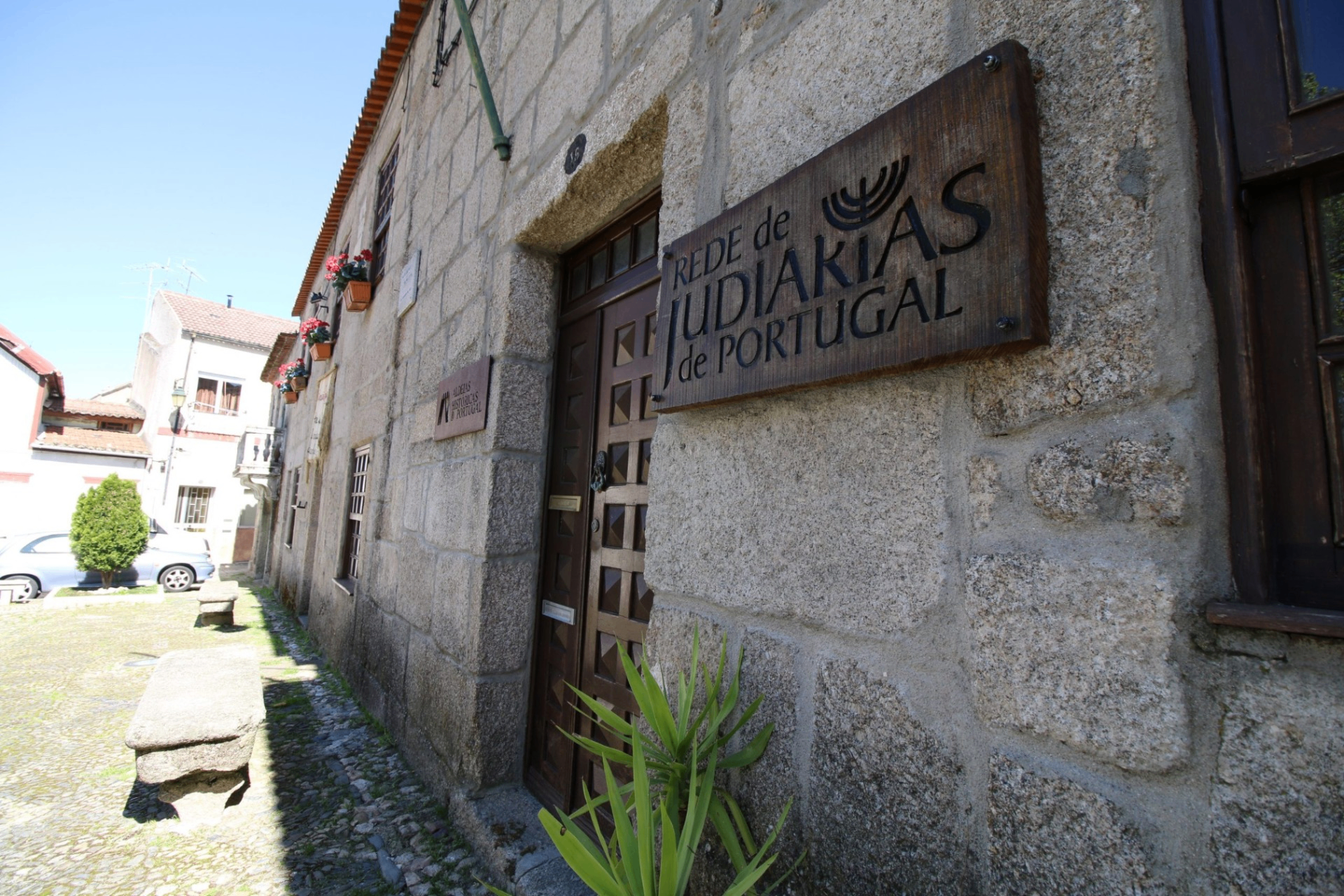
The Rede de Judiarias de Portugal: Mapping the Network of Jewish Quarters
What the Rede de Judiarias de Portugal is, which towns belong to it, and how this municipal network of former Jewish quarters shapes a private heritage journey.
Jewish Heritage in the Douro Valley: Wine Country and Converso Towns
The Douro Valley's terraced vineyards surround towns with documented converso and Jewish quarter history. A guide to heritage and wine touring along the river.
Jewish Quarters of the Alentejo: Évora, Estremoz and the Southern Plains
The Alentejo's Évora, Estremoz, Elvas and Castelo de Vide preserve documented medieval Jewish quarters. A guide to the region's heritage towns and marble country.
Jewish History in the Algarve: Faro, Silves and the Southern Coast
The Algarve's coastal towns, especially Faro, held Jewish communities before 1497. A guide to the region's documented heritage and how it fits a private itinerary.
The Beira Interior's Judiarias: Border Towns of Converso Portugal
The Beira Interior's border towns preserve some of Portugal's clearest medieval Jewish quarters. A regional guide to Trancoso, Guarda, Covilhã and Belmonte.
Crypto-Jewish Heritage in Trás-os-Montes: Portugal's Remote Northeast
Trás-os-Montes, Portugal's remote northeastern region, holds documented converso communities in Bragança, Chaves and Miranda do Douro. A regional heritage guide.
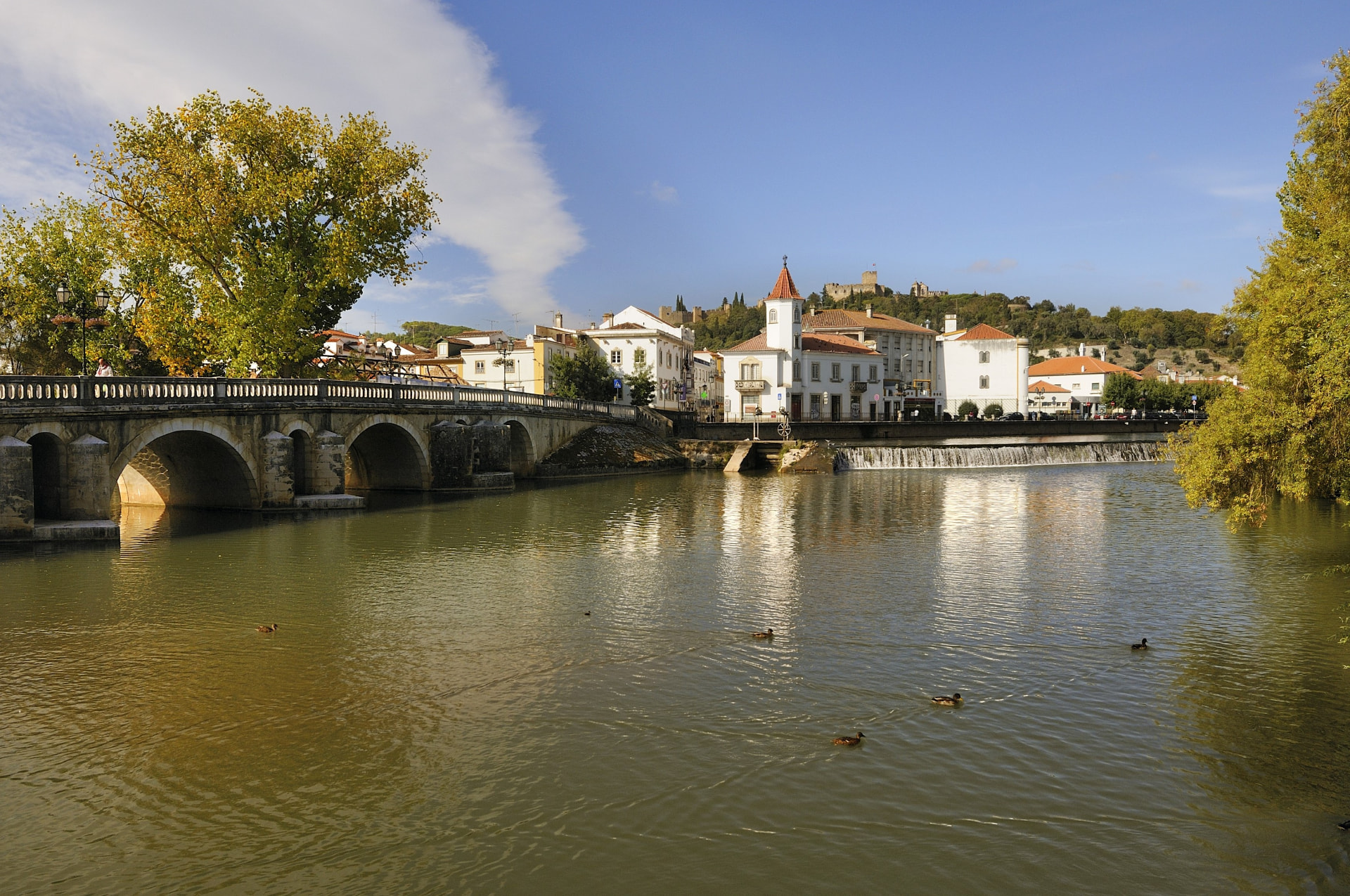
Jewish Heritage in the Ribatejo: Tomar and the Tagus Valley Towns
The Ribatejo, along the Tagus valley, holds Tomar's medieval synagogue and smaller documented Jewish histories in nearby towns. A regional planning guide.
Jewish Heritage in the Minho: Guimarães, Braga and the Green North
The Minho, Portugal's green north, holds thinly documented medieval Jewish settlement in towns like Guimarães and Viana do Castelo. A regional heritage overview.
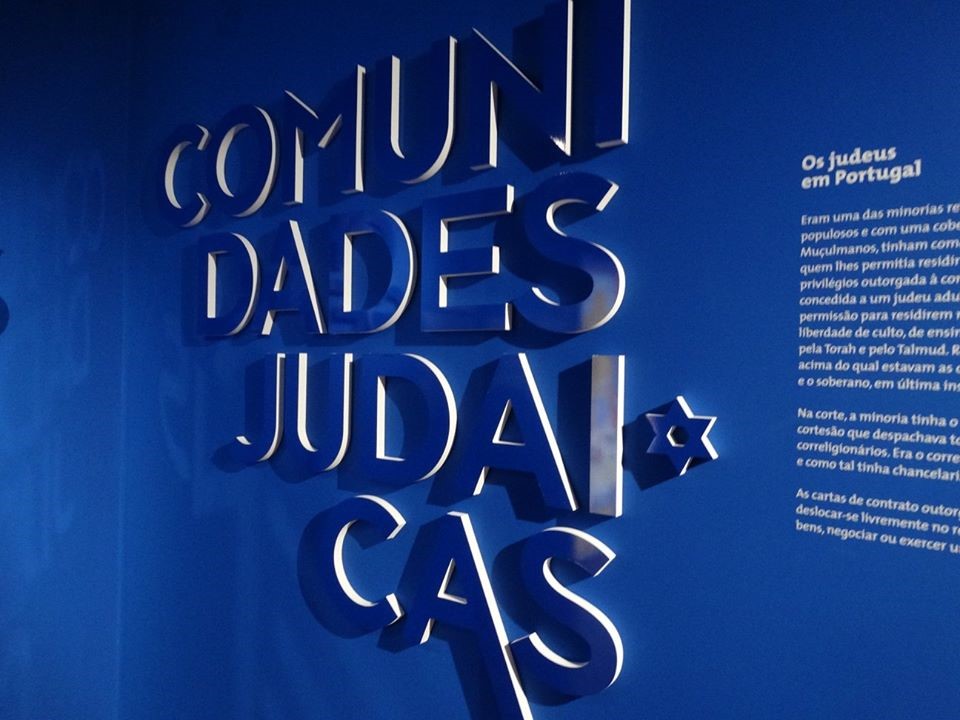
The Jewish Cemetery of the Azores: Ponta Delgada's 19th-Century Community
Ponta Delgada's Jewish cemetery documents a 19th-century community of North African and Gibraltarian Jewish merchants who settled in the Azores.
Jewish History in Madeira: Funchal's Merchant Families and Street Names
Madeira's Funchal held Jewish and converso merchant families from the island's early settlement onward. A guide to the documented history and what remains today.
Bragança: Trás-os-Montes' Citadel Town and Its Jewish Quarter
Bragança, seat of Trás-os-Montes, holds documented references to a medieval Jewish quarter near its citadel. A guide to the town's history and private visits.
Chaves: Roman Spa Town and Converso Border History
Chaves, an old Roman spa town on the Spanish frontier, carries documented converso history alongside its thermal springs and Roman bridge.
Miranda do Douro: A Frontier Town Above the River Gorge
Miranda do Douro, perched above the Douro river gorge on the Spanish border, carries regional references to converso families among its frontier history.
Freixo de Espada à Cinta: A Douro Border Town with a Documented Jewish Quarter
Freixo de Espada à Cinta, near the Douro's Spanish border, preserves archival references to a medieval Jewish quarter within its historic centre.
Vila Real: Gateway to the Douro and Trás-os-Montes
Vila Real, gateway between the Douro Valley and Trás-os-Montes, holds regional archival references to medieval Jewish settlement alongside its baroque architecture.
Amarante: A Rede de Judiarias Town on the Tâmega
Amarante, a Rede de Judiarias member town on the Tâmega river, carries archival references to medieval Jewish settlement alongside its baroque bridge and church.
Guimarães: The Birthplace of Portugal and Its Documented Jewish Community
Guimarães, regarded as the birthplace of Portugal, held a documented medieval Jewish community alongside its castle and UNESCO-listed historic centre.
Viana do Castelo: Atlantic Port and Documented Jewish Trading History
Viana do Castelo, a historic Atlantic port in the Minho, carries archival references to medieval Jewish traders alongside its Manueline architecture.
Aveiro: The Portugal of the Ria and Its Documented Jewish Community
Aveiro, known for its lagoon and Art Nouveau architecture, carries municipal archival references to a medieval Jewish community alongside its canal-side old town.
Figueira da Foz: A Coastal Town with Modest Documented Jewish History
Figueira da Foz, at the mouth of the Mondego, carries limited archival references to medieval Jewish trade alongside its beach town character.
Alcácer do Sal: Salt Trade and Documented Jewish Settlement on the Sado
Alcácer do Sal, an ancient salt-trading town on the Sado river, carries archival references to a medieval Jewish community engaged in the region's salt economy.
Setúbal: A Fishing Port with a Documented Medieval Jewish Community
Setúbal, south of Lisbon on the Sado estuary, held a documented medieval Jewish community engaged in its fishing and salt economy before 1497.
Silves: The Algarve's Moorish Capital and Its Documented Jewish Community
Silves, the former Moorish capital of the Algarve, carries archival references to a medieval Jewish community engaged in the region's trade economy.
Loulé: Market Town Heritage and the Algarve's Jewish Past
Loulé, an Algarve market town, carries thin archival references to medieval Jewish settlement alongside its Moorish castle remains and covered market.
Estremoz: Marble Country and a Documented Jewish Quarter
Estremoz, known for its marble quarries, carries archival references to a medieval Jewish quarter within its historic upper town in the Alentejo.
Borba: A Marble Town with a Documented Medieval Jewish Presence
Borba, one of the Alentejo's marble towns, carries municipal archival references to medieval Jewish settlement alongside its wine and quarry heritage.
Vila Viçosa: Ducal Seat of Bragança and Its Documented Jewish Quarter
Vila Viçosa, seat of the House of Bragança, carries archival references to a medieval Jewish quarter alongside its ducal palace and marble architecture.
Mértola: A Layered River Town with Documented Medieval Jewish Settlement
Mértola, on the Guadiana river, carries archaeological and archival evidence of medieval Jewish settlement within its layered Islamic and Christian history.
Serpa: A Fortified Alentejo Town with Documented Jewish Heritage
Serpa, a fortified Baixo Alentejo town near the Spanish border, carries municipal archival references to a medieval Jewish community and quarter.
Jewish Heritage in Porto: Monchique, the Mekor Haim and the Northern Revival
Porto's Jewish story runs from the medieval Judiaria de Monchique to the Mekor Haim synagogue and Captain Barros Basto's twentieth-century rescue of crypto-Jewish memory.
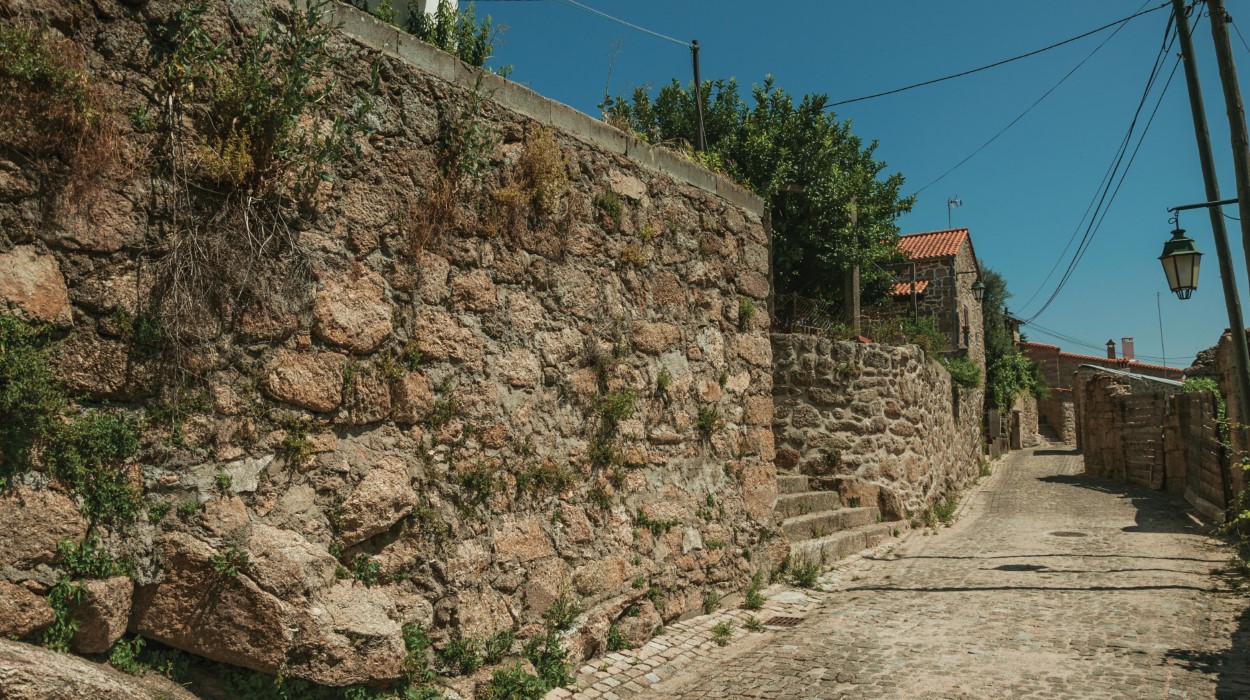
Jewish Heritage in Braga: A Medieval Community in Portugal's Religious Capital
Braga, Portugal's ecclesiastical capital, held a documented medieval Jewish community whose memory survives in the street pattern of its old town and in Minho converso history.
Jewish Heritage in Pinhel: The Falcon City and Its Former Synagogue
Pinhel, the 'Falcon City' of the Beira Interior, preserves a marked medieval judiaria and a building identified as its former synagogue, within a walled historic core.
Jewish Heritage in Almeida: Crypto-Jewish Life behind the Star Fortress
Almeida's great star fortress guarded a border town where converso families maintained ties with Spain for generations after 1497. A guide to its Jewish and frontier history.
Jewish Heritage in Celorico da Beira: The House of Memory of the Jewish Presence
Celorico da Beira preserves one of Portugal's few identified synagogue buildings, now home to the House of Memory of the Jewish Presence in the Beiras.
Jewish Heritage in Linhares da Beira: A Medieval Forum Town and Its Judiaria
Linhares da Beira, a medieval forum town on the slopes of the Serra da Estrela, preserves a documented judiaria and one of Portugal's finest village castles.
Jewish Heritage in Gouveia: Wool, Conversos and a Painter of Portuguese Modernism
Gouveia's New Christian wool merchants wove the town into Portugal's textile economy — and the town gave Portuguese modernism one of its Jewish-Portuguese painters, Abel Manta.
Jewish Heritage in Seia: A Medieval Judiaria in the Serra's Wool Country
Seia's documented medieval judiaria and its New Christian wool-trading families place the town firmly within the Jewish history of the Serra da Estrela region.
Jewish Heritage in Fundão: New Christian Merchants of the Cova da Beira
Fundão's converso families were documented by the Inquisition for generations. A guide to the Jewish and New Christian history of this Cova da Beira market town.
Jewish Heritage in Abrantes: The Judiaria above the Tagus
Abrantes kept a documented medieval Jewish quarter in the streets below its castle above the Tagus. A guide to the town's Jewish history and its place in a Ribatejo itinerary.
Jewish Heritage in Torres Novas: A Judiaria within the Medieval Walls
Torres Novas preserves a documented medieval judiaria within its walled historic core, in the heart of the Ribatejo between Tomar and Santarém.
Jewish Heritage in Vila Flor: Gateway to the Crypto-Jewish Villages of Trás-os-Montes
Vila Flor, in the heart of Trás-os-Montes, anchors the region where crypto-Jewish practice survived longest in Portugal — a guide to its New Christian history.
Jewish Heritage in Torre de Moncorvo: A Judiaria in the Douro's Iron Country
Torre de Moncorvo's documented judiaria and New Christian families place it within the crypto-Jewish heartland of Trás-os-Montes, near the upper Douro.
Begin Your Private Jewish Heritage Journey
Share your plans — we cover the whole country with private tours, transfers and curated experiences.
Tell us your dates, group size and interests so we can craft the perfect experience.