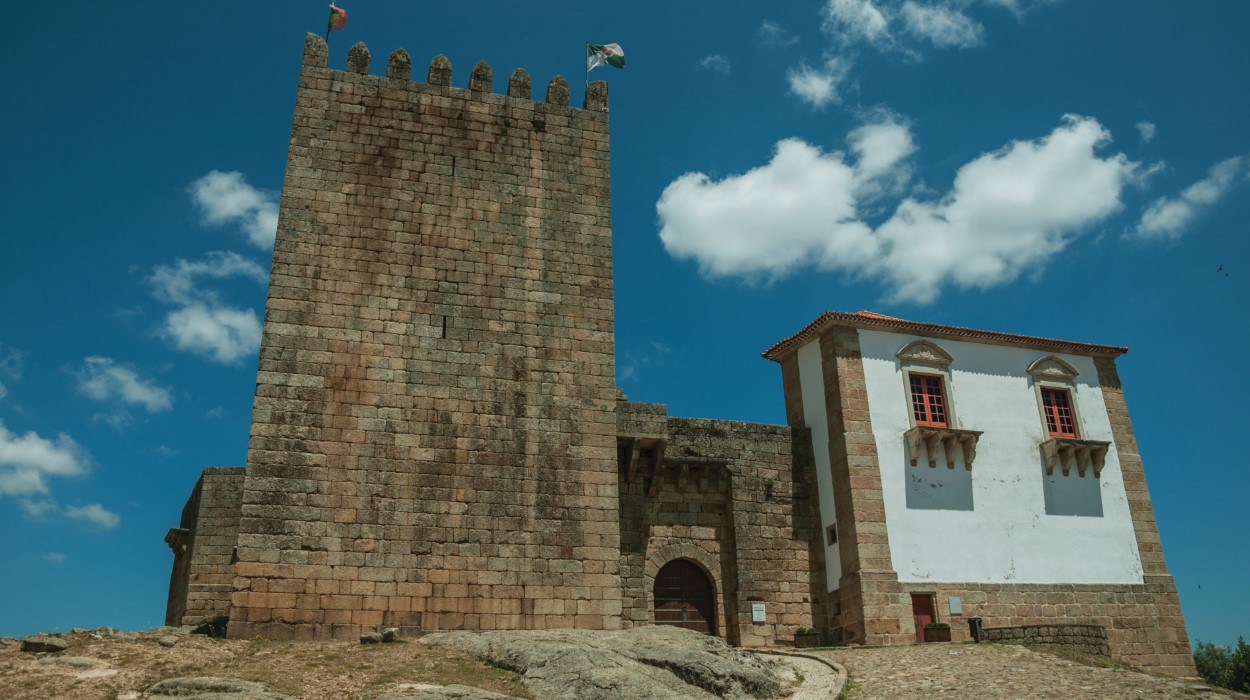
Historical Background
Following the 1496 expulsion decree and the mass forced baptisms carried out across Portugal in 1497, a number of families in Belmonte and the surrounding Serra da Estrela villages continued to practise Judaism in private, adapting prayers and rituals to a household setting where discovery could mean denunciation to the Inquisition. Isolation from Lisbon and Coimbra, and distance from major tribunals, is generally credited as a factor in the community's long survival. Documentary evidence of crypto-Jewish practice in the Belmonte region appears intermittently across the sixteenth to nineteenth centuries, though the community itself left few written records by necessity.
The community became known to the wider world after the 1917 visit of the mining engineer and self-taught scholar Samuel Schwarz, who documented prayers, customs and a distinct Belmonte Jewish dialect of ritual practice that had evolved independently of rabbinic contact for hundreds of years. Formal reconnection followed across the twentieth century, culminating in the construction of the Bet Eliahu synagogue, inaugurated in 1996, and the opening of the Museu Judaico de Belmonte in 2005, which places the town's history within the broader arc of Sephardic Portugal.