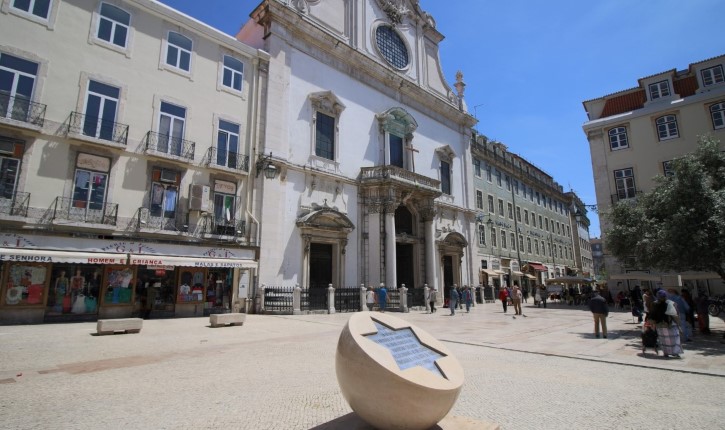
Historical Background
The massacre began on 19 April 1506, reportedly ignited by a dispute over a perceived miracle at the Igreja de São Domingos, and escalated over three days into mob violence against New Christians across the lower city, encouraged in part by preaching that inflamed existing resentment toward converso families a decade after the forced conversions of 1497. Estimates of the dead, drawn from contemporary chronicles, vary considerably, and are conventionally cited in the range of one to several thousand, reflecting both the scale of the violence and the limits of surviving documentation.
King Manuel I, absent from the city at the time, responded with punitive measures against identified ringleaders once order was restored, and the event is understood by historians as a significant factor in the deteriorating position of New Christians in Portugal in the decades leading to the formal establishment of the Portuguese Inquisition in 1536.