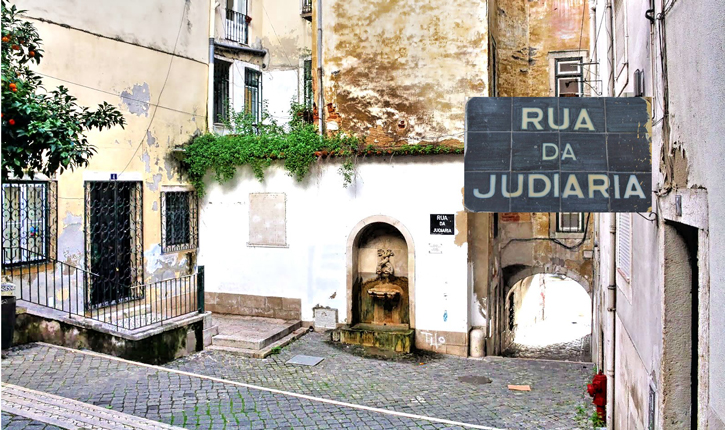
Historical Background
Beja's Jewish population is documented from at least the thirteenth century, protected under royal charter as elsewhere in Portugal and engaged in the agricultural and craft trade characteristic of this grain-producing region. The community maintained connections with Évora, Serpa and other Baixo Alentejo towns, forming part of a regional network that dissolved with the 1497 forced conversions, after which converso families in Beja remained subject to the same Inquisition oversight that affected the wider Alentejo.