Jewish Tours PortugalA Portugal Magik Division
    Walking and Terrain in the Judiarias
    Planning — Practicalities

    Walking and Terrain in the Judiarias

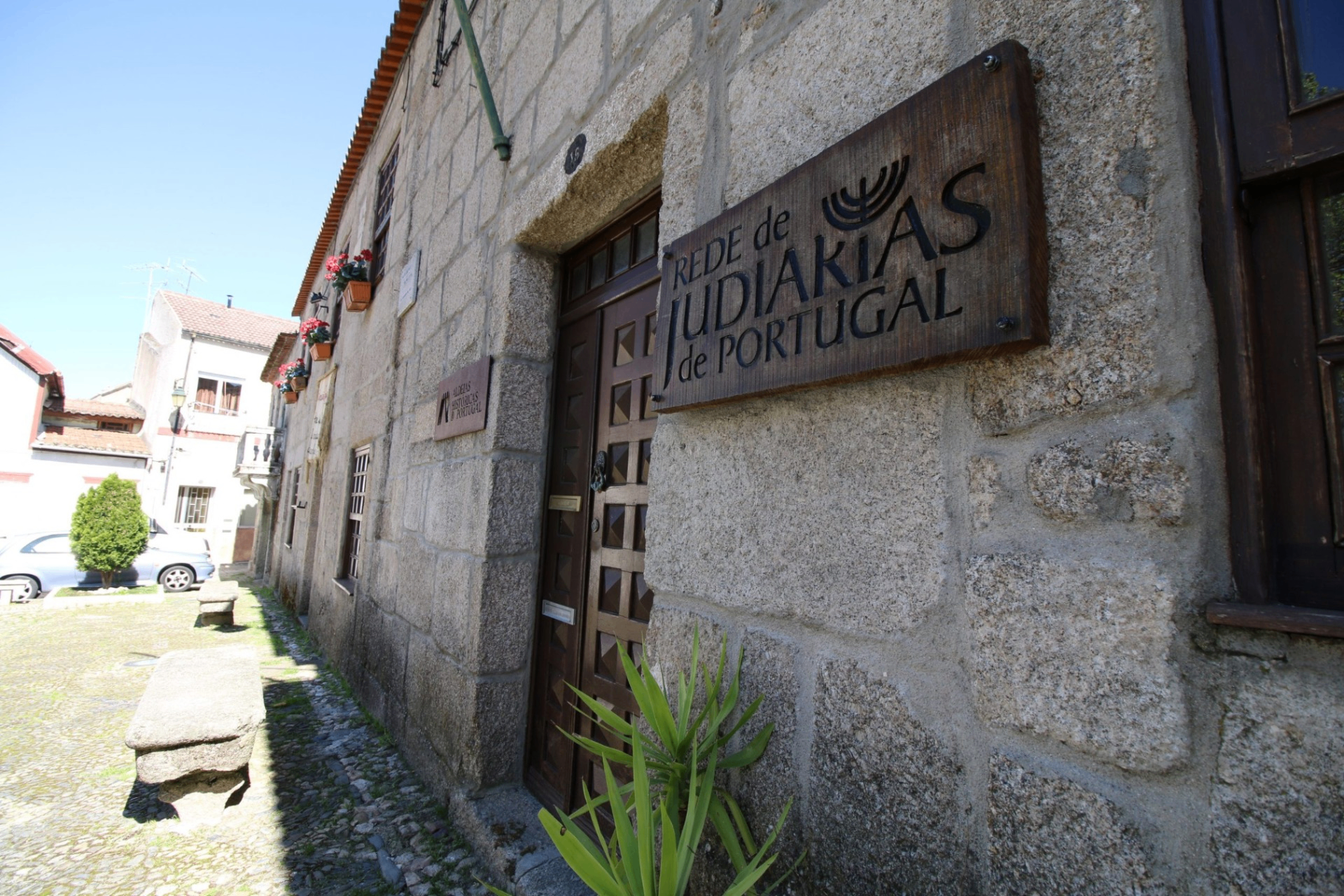
    The judiarias, Portugal's historic Jewish quarters, were built in the medieval period along narrow, often steep streets designed for foot traffic rather than vehicles, and this terrain remains largely unchanged today. Understanding it in advance helps travellers prepare realistically for the walking portions of a heritage journey.

    What the Streets Are Like

    Lisbon's Alfama, one of the city's oldest districts and home to its former judiaria, is a maze of narrow lanes, stone stairways and steep inclines that predate any planning for vehicles or level surfaces. Trancoso and Castelo de Vide present similar terrain on a smaller scale, with well-preserved medieval street plans that are part of what makes them historically significant.

    Cobblestone paving, uneven in places from centuries of wear, is standard throughout these quarters, and travellers should expect genuine physical engagement with the terrain rather than a flat, paved walking tour.

    How Our Guided Walks Are Paced

    Our driver-guides set a pace appropriate to the group, with regular pauses that double as opportunities for historical context rather than purely as rest stops. Walks through the judiarias are not timed to a fixed schedule that would force a faster pace than travellers are comfortable with.

    Where a particular quarter includes especially steep sections, alternative routes with gentler gradients are generally available and can be substituted without missing the core sites of interest.

    Weather and Surface Conditions

    Cobblestone can become slippery when wet, and Portugal's rainy season, concentrated between November and March, occasionally affects walking conditions in these quarters. Our team monitors weather when planning specific days and can resequence an itinerary to prioritise outdoor walking on drier days where the schedule allows.

    Midday heat in summer is the more common consideration, and guided walks through exposed stone streets are generally scheduled for morning or late afternoon during the warmer months.

    Preparing for the Walk

    Beyond appropriate footwear, discussed on our packing guide, travellers with any concerns about extended walking or stairs are encouraged to raise this in advance so the itinerary can be adjusted, whether through shorter walking segments, additional pauses, or a modified route.

    None of the judiarias require exceptional fitness to visit, but they do require a realistic expectation of uneven, sloped terrain, which this page is intended to set clearly ahead of the trip.

    Practical Points

    • —Narrow, often steep cobbled streets in Lisbon's Alfama and the interior towns
    • —Guided pace set to the group rather than a fixed schedule
    • —Alternative gentler routes available in especially steep sections
    • —Weather and seasonal heat factored into daily scheduling
    • —Wet-weather caution given cobblestone's tendency to become slippery
    • —Itineraries adjustable in advance for travellers with walking concerns

    Frequently Asked

    How much walking is involved in visiting a judiaria?

    It varies by town, but expect sustained walking on uneven, sloped cobblestone streets rather than flat, paved paths; our guides pace this to the group.

    Can the walking be reduced if needed?

    Yes, alternative routes and shorter walking segments can generally be arranged; we ask travellers to flag any concerns in advance so we can plan accordingly.

    Get Started

    Begin Your Private Jewish Heritage Journey

    Share your plans — we cover the whole country with private tours, transfers and curated experiences.

    Tell us your dates, group size and interests so we can craft the perfect experience.

    Select Your Journey *