Jewish Tours PortugalA Portugal Magik Division
    Accessibility in Portugal's Historic Quarters
    Planning — Practicalities

    Accessibility in Portugal's Historic Quarters

    Portugal's historic Jewish quarters were built centuries before accessibility was a design consideration, and travellers with mobility concerns deserve a candid account of what the terrain actually involves, alongside how much can genuinely be adapted.

    The Terrain Itself

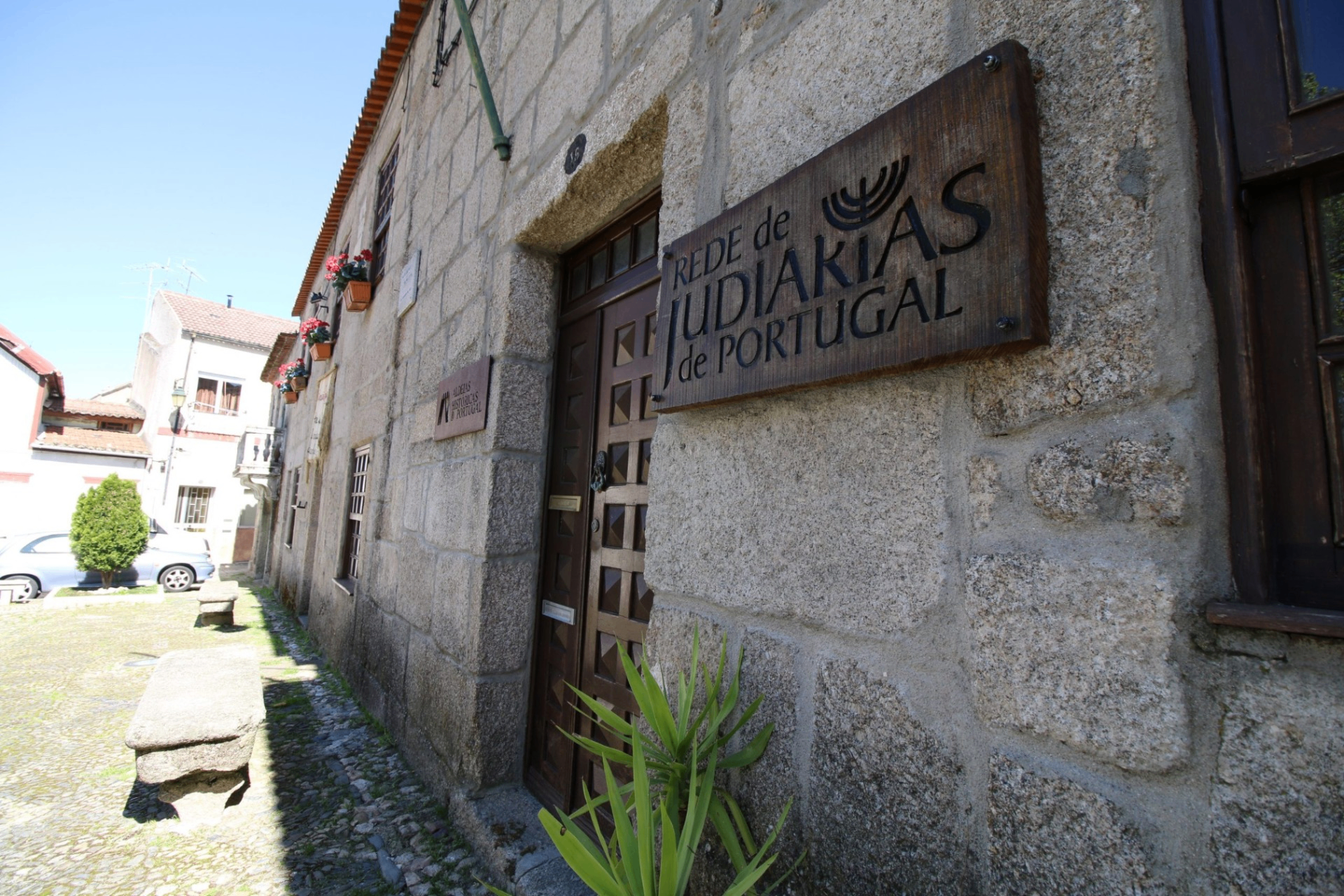
    Lisbon's Alfama, along with Trancoso, Castelo de Vide and other interior towns, is characterised by steep, cobbled streets, stairways and uneven surfaces that cannot be substantially altered without compromising the historic fabric itself. Wheelchair and mobility-scooter access to the innermost lanes of these quarters is genuinely limited in most cases.

    This is a realistic constraint rather than an oversight, and our team addresses it directly during planning rather than presenting an itinerary that turns out to be impractical once travellers arrive.

    What Can Be Adapted

    Where mobility is a concern, our driver-guides can identify accessible vantage points that allow travellers to see and appreciate a quarter's architecture and character without navigating its steepest or narrowest sections directly, and can adjust walking distances and pacing throughout the day.

    Museums and interpretation centres vary in their own accessibility, and our team checks specific site conditions — ramps, lifts, ground-floor access — in advance for any traveller with known mobility requirements, rather than assuming a general standard applies.

    Vehicle and Transfer Considerations

    Executive Mercedes vehicles can be positioned closer to specific sites than a standard tour bus, and our driver-guides plan drop-off and pick-up points to minimise walking distance wherever the layout of a town allows this.

    For travellers who require additional assistance, this can be discussed in advance so appropriate arrangements — additional time, specific vehicle configurations, or route adjustments — are built into the itinerary from the outset.

    Discussing Needs in Advance

    We ask all travellers with mobility concerns to share specifics — walking distance tolerance, stair capability, use of mobility aids — as early as possible in the planning process, so that the itinerary can be honestly assessed and adjusted rather than discovering limitations once in Portugal.

    In some cases, a modified itinerary that substitutes certain steep quarters for more accessible sites of comparable historical significance is the most practical solution, and our team can propose this candidly where appropriate.

    Practical Points

    • —Steep, cobbled streets in most historic quarters with genuine access limits
    • —Alternative accessible vantage points identified where full access isn't possible
    • —Museum accessibility checked in advance for known mobility needs
    • —Executive Mercedes positioned to minimise walking distance where possible
    • —Honest advance discussion of mobility needs shapes itinerary planning
    • —Itinerary substitutions available for travellers with significant mobility limits

    Frequently Asked

    Can a wheelchair user visit the historic quarters?

    Access to the innermost cobbled lanes is genuinely limited in most towns; we can identify accessible vantage points and discuss realistic alternatives in advance.

    How should we communicate mobility needs before the trip?

    Share specifics on walking distance, stairs and any mobility aids as early as possible so we can honestly assess and adapt the itinerary before you travel.

    Get Started

    Begin Your Private Jewish Heritage Journey

    Share your plans — we cover the whole country with private tours, transfers and curated experiences.

    Tell us your dates, group size and interests so we can craft the perfect experience.

    Select Your Journey *