Jewish Tours PortugalA Portugal Magik Division
    What to Pack for a Portuguese Heritage Journey
    Planning — Practicalities

    What to Pack for a Portuguese Heritage Journey

    A heritage journey moves between coastal cities, mountain towns and rural plains within a single trip, and packing well means preparing for that range rather than for a single climate. This guide covers the practical essentials without prescribing a rigid list.

    Footwear for Historic Terrain

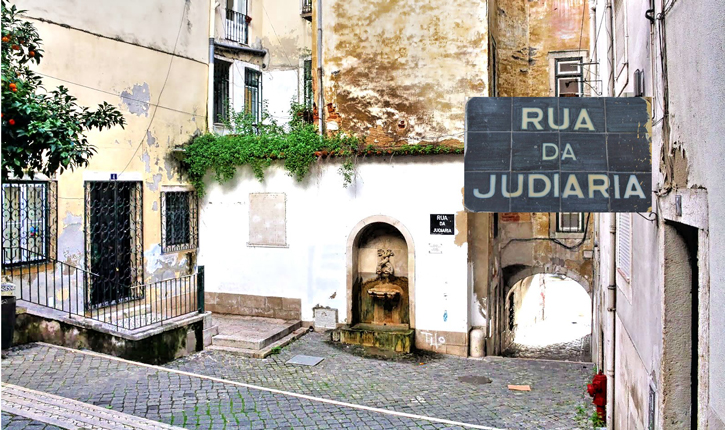
    The single most important packing decision is footwear: the old quarters of Lisbon, Trancoso and Castelo de Vide are paved in cobblestone, often on genuine inclines, and comfortable, closed, low-heeled walking shoes make a material difference to how enjoyable these visits are. Sandals or dress shoes are best reserved for evenings on flatter ground.

    A second, broken-in pair is a sensible precaution on longer journeys, particularly for travellers who plan to walk extensively between guided stops in the cities.

    Layers for Changing Regions and Seasons

    Because the itinerary moves between the mild Atlantic coast and the higher, cooler Serra da Estrela, layered clothing serves better than a single seasonal wardrobe. Spring and autumn evenings in the mountains can be notably cooler than the same day in Lisbon, even outside winter.

    Summer travel calls for lightweight, breathable clothing and sun protection, particularly for the exposed stone streets of the old quarters at midday; winter travel benefits from a warm layer for the interior and mountain legs specifically.

    Modest Dress for Religious and Historic Sites

    Some of the historic sites visited, including former synagogues and religious buildings now serving other purposes, are more comfortably experienced in modest dress — covered shoulders and knees are a sensible default, even where not strictly required.

    Our driver-guides can advise on the specific expectations of any site on a given day, but arriving prepared avoids any last-minute adjustment.

    Practical Extras

    A lightweight daypack, a reusable water bottle, and a portable phone charger are useful for the longer touring days, particularly in warmer months when hydration matters on extended walks through the old quarters. Photography equipment, where used, is best kept compact given the narrow streets and frequent stairs.

    Formal attire is rarely required, even for the finer restaurants included in the journey; smart-casual clothing is generally appropriate throughout, and our team can advise in advance if a specific evening calls for something more formal.

    Practical Points

    • —Comfortable, closed walking shoes for cobbled and sloped historic streets
    • —Layered clothing to handle coastal, interior and mountain climate shifts
    • —Modest dress recommended for former synagogues and religious sites
    • —Lightweight daypack and water bottle for extended walking days
    • —Sun protection for exposed stone streets in warmer months
    • —Smart-casual attire generally sufficient, even at finer restaurants

    Frequently Asked

    Do we need formal clothing for dinners?

    Generally not; smart-casual attire is appropriate throughout the journey, though we can flag in advance if a specific evening warrants something more formal.

    How much warmer or colder is the interior compared to Lisbon?

    The Serra da Estrela and interior towns can be noticeably cooler than coastal Lisbon, particularly in the evenings, so a warm layer is worth packing even outside winter.

    Get Started

    Begin Your Private Jewish Heritage Journey

    Share your plans — we cover the whole country with private tours, transfers and curated experiences.

    Tell us your dates, group size and interests so we can craft the perfect experience.

    Select Your Journey *