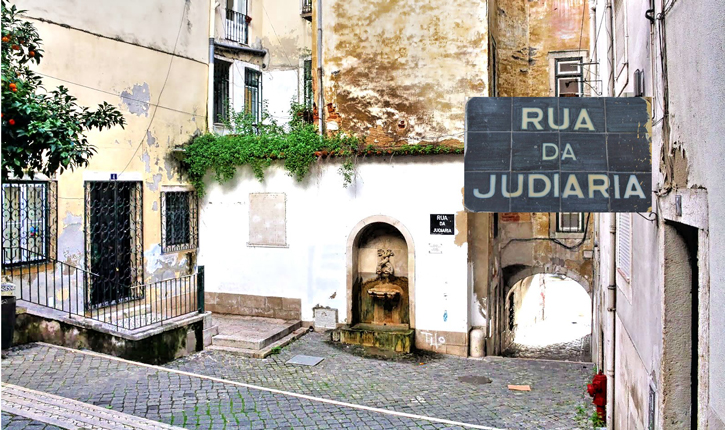
A Cuisine Shaped by Conversion
Portuguese cuisine developed under conditions that included forced conversion, and food historians have long noted the persistence of certain dishes and practices — sfenj-like fried pastries, honey and almond confections, and the ritual slaughter and preparation habits that lingered quietly in mountain villages such as Belmonte long after the Inquisition. These are not folklore claims but documented continuities studied by scholars of Portuguese Jewish history.
This route does not attempt to reconstruct kitchens or religious practice; it visits the towns, markets and producers where these food histories are best understood, and pairs them with the country's contemporary culinary strength.