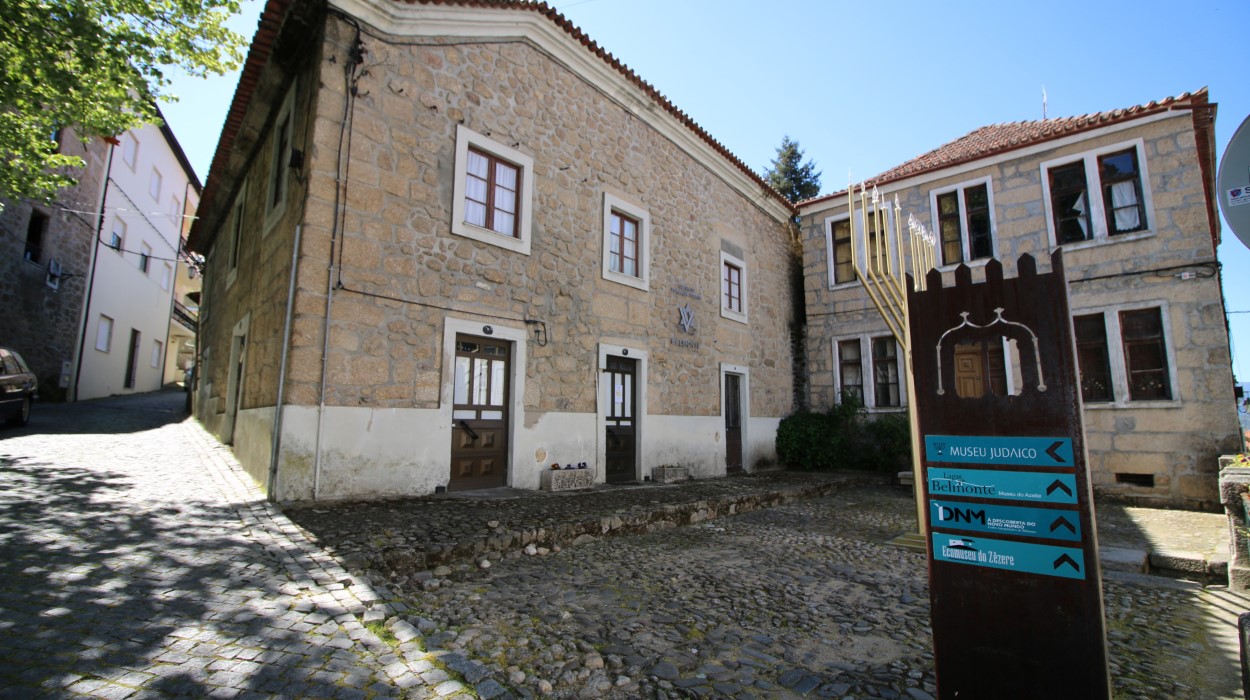
Why heritage travel in Portugal calls for a driver
Portugal's Sephardic history is not concentrated in a single city. After the edict of King Manuel I in 1496 and the forced conversions of 1497, Jewish life went underground, and its traces survived longest in small interior towns near the Spanish border. Those towns are where the most meaningful visits happen today, and most are reached by road, often on secondary routes through the Beira interior and the northern Alentejo.
Public transport reaches some of these places, but rarely in a sequence that allows two or three heritage towns in a single day. Bus timetables to Belmonte or Castelo de Vide are built for residents, not for visitors who want an unhurried morning in a museum and an afternoon in a medieval Jewish quarter. A private driver removes that constraint entirely and lets the day follow the history.
There is also the matter of energy. A heritage journey asks for attention: reading inscriptions, listening, absorbing difficult chapters such as the Inquisition. Navigating unfamiliar roads, parking inside walled towns and calculating fuel and tolls takes away from that attention. Handing the logistics to a professional allows travellers to arrive at each site rested and ready to engage with what it represents.