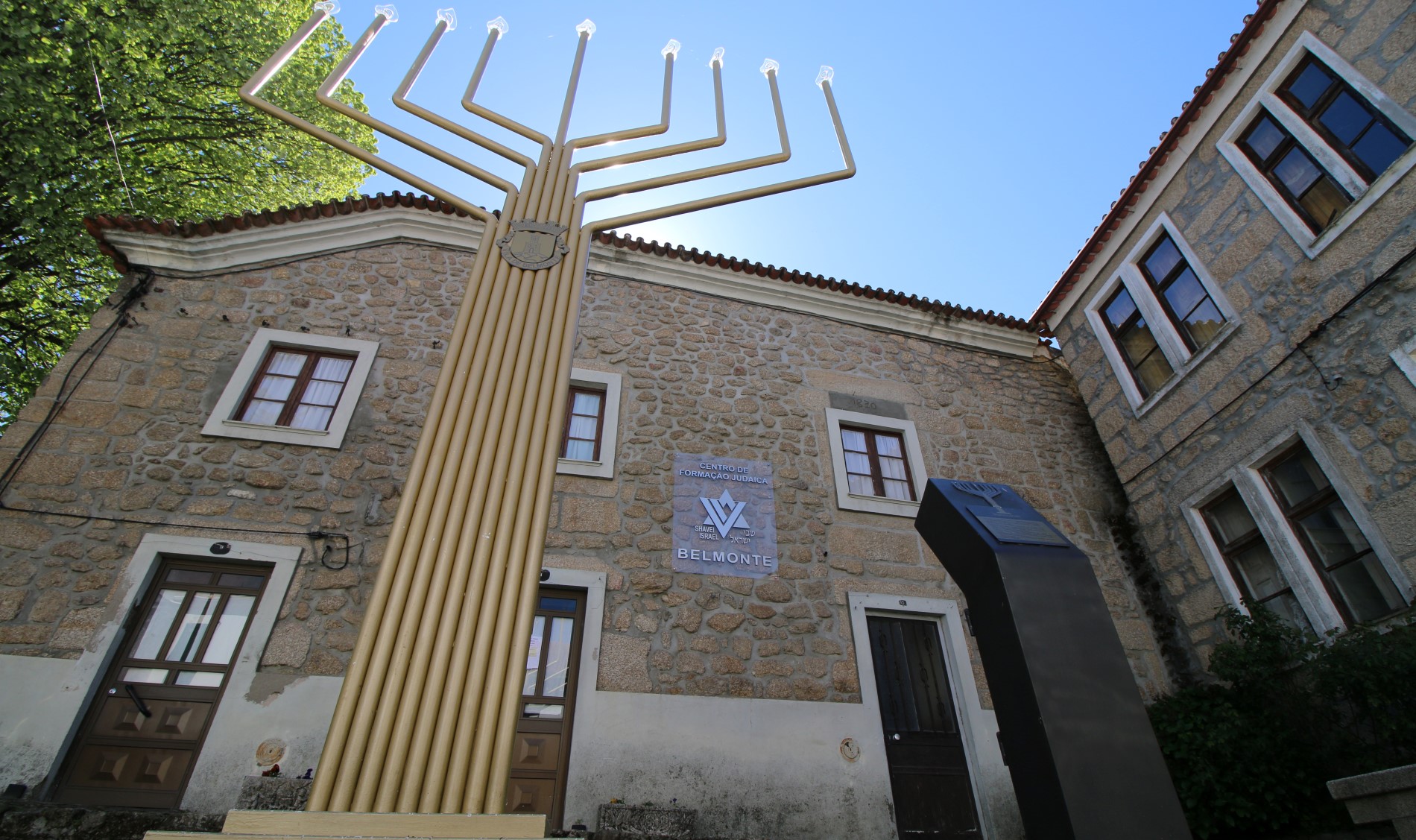
Why the vehicle matters on a heritage journey
On a city break, a car is a short interlude between sights. On a journey through Sephardic Portugal, it is where guests spend a meaningful part of each day: crossing the Ribatejo towards Tomar, climbing into the Beira interior towards Trancoso and Belmonte, or following the Alentejo plains to Castelo de Vide. A vehicle that is quiet, smooth and spacious turns those hours into time for rest, reflection and conversation rather than something to endure.
Comfort also affects attention. Arriving at a museum or a medieval Jewish quarter after a cramped, noisy drive leaves travellers tired before the visit begins. Arriving rested, after a calm ride with room to stretch, allows them to engage fully with sites that often carry difficult history, from the forced conversions of 1497 to the long shadow of the Inquisition.
For these reasons we do not treat the vehicle as an interchangeable commodity. It is selected for each journey according to the number of guests, the volume of luggage and the kind of roads the route involves, and it remains with the group throughout.