Jewish Tours PortugalA Portugal Magik Division
    Where to Stay in the Alentejo on a Heritage Journey
    Planning — Where to Stay

    Where to Stay in the Alentejo on a Heritage Journey

    The Alentejo, Portugal's vast rolling plain south and east of Lisbon, pairs well-preserved converso towns such as Castelo de Vide with a wine-producing landscape of cork oaks and whitewashed villages. Accommodation choices here typically fall into two categories: wine estate hotels and properties inside the historic towns themselves.

    Wine Estate Hotels

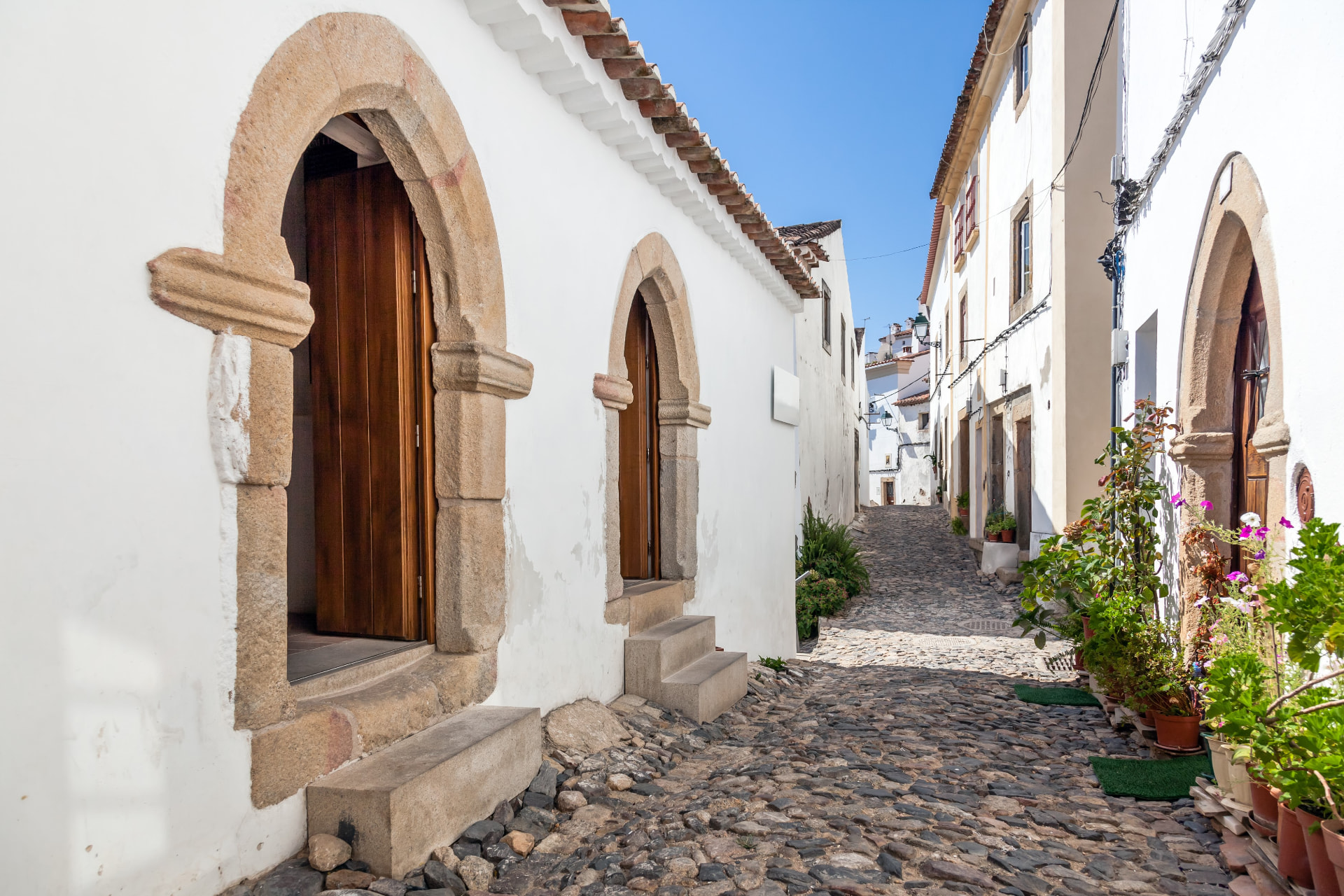
    A number of Alentejo wine estates have converted historic farmhouses into small luxury hotels, combining vineyard views with restaurants built around the estate's own production. These properties suit travellers who want an evening of genuine quiet after a day of walking Castelo de Vide's steep, whitewashed lanes.

    Because most estates sit some distance from town centres, our driver-guides plan the day so that touring and dining are sequenced efficiently, without requiring a late return drive after dinner.

    Staying Within the Historic Towns

    An alternative is a smaller boutique property inside Castelo de Vide or a neighbouring town, often a converted townhouse close to the old Jewish quarter and its well-preserved medieval street plan. This suits travellers who prefer to step directly into the historic centre rather than drive to it each morning.

    These in-town properties tend to be smaller and quieter than the wine estates, without vineyard grounds, but offer closer proximity to the sites themselves and to the town's restaurants.

    Évora as a Regional Base

    For journeys that combine the Alentejo's Jewish heritage sites with its Roman and medieval architecture more broadly, Évora — a UNESCO World Heritage city — offers a wider choice of luxury hotels and serves as a comfortable base for day excursions to Castelo de Vide and surrounding towns.

    This option adds driving time to reach the more remote heritage sites, so it is generally proposed only when the itinerary allots enough days in the region to absorb the additional transfers.

    Food and Wine in the Region

    Alentejo cuisine is rustic and ingredient-led, built around bread, olive oil, pork and game, and the region's wines have become internationally recognised over the past two decades. Restaurant reservations here are arranged to reflect this regional character, often at estate restaurants or family-run establishments in the towns themselves.

    Wine tastings can be incorporated as part of an estate stay or as a discrete stop during the driving day, depending on how much time the overall journey allows for this region.

    Practical Points

    • —Wine estate hotels combining vineyard views with estate restaurants
    • —Boutique in-town properties close to Castelo de Vide's old quarter
    • —Évora as a wider regional base for longer stays
    • —Regional cuisine built around bread, olive oil and Alentejo wine
    • —Driver-guides sequence estate stays with town visits to avoid late drives
    • —Property choice matched to how many nights the journey allots to the region

    Frequently Asked

    Should we stay at a wine estate or in Castelo de Vide itself?

    It depends on preference: wine estates offer quiet and vineyard settings, while staying in town places you closer to the historic quarter and its restaurants. We can recommend either based on the rest of your itinerary.

    Is Évora a good base for visiting Castelo de Vide?

    It can be, though it adds driving time; Évora suits journeys with enough days allotted to the Alentejo to absorb longer transfers to the more remote heritage towns.

    Get Started

    Begin Your Private Jewish Heritage Journey

    Share your plans — we cover the whole country with private tours, transfers and curated experiences.

    Tell us your dates, group size and interests so we can craft the perfect experience.

    Select Your Journey *